Healing Through Art: A Journey at Falmouth Art Gallery’s Creative Practice for Wellbeing Course
Finding Creative Healing
As someone managing chronic health challenges, I am always seeking ways to nurture my mental and emotional well-being. Finding an outlet that allows for creative expression while offering a sense of peace and healing has often been a challenge. However, I recently had the opportunity to attend the Creative Practice for Wellbeing course at Falmouth Art Gallery, and it has been a truly transformative experience.
A Safe Space for Creativity
This course, facilitated by the talented artist Eve Bourrat, is designed to support well-being through artistic exploration. Running over three Mondays—March 17th, 24th, and 31st—each session takes place from 1 to 3 p.m. in a calm, welcoming, and private space at the gallery. The course description promises an opportunity to experiment with different materials and create artwork inspired by the gallery’s collection and exhibitions. And it truly delivers—this course is all about fostering creativity and wellness.
From the very start, the course structure created a sense of safety and belonging. With no new members joining after the group begins, everyone is given the freedom to express themselves without fear of judgment or expectation. For me, this was essential—having a space to create without pressure made all the difference.
Session One: Embracing the Unexpected
In our first session, we worked with a special type of runny, wet paint. The technique involved painting on one side of the paper and folding it to create mirrored patterns. This process reminded me of Ithell Colquhoun’s surrealist work, particularly the Between Worlds exhibition at Tate St Ives, which I had recently visited. The fluid, abstract patterns we created felt like an artistic exploration of her style, and it was liberating to focus on the process rather than the outcome.
Session Two: Exploring Watercolour & Ink
The second session was just as enriching. We worked with watercolours and gouache, experimenting with different techniques and textures. We also took inspiration from The Trinity Buoy Wharf Drawing Prize, currently exhibited at the gallery. One of the exercises involved creating our own interpretation of an oak tree illustration, using ink on concertina paper. This connection to the gallery’s professional art collection gave me a deeper sense of belonging in the creative world—I wasn’t just observing art, I was part of it.
Session Three: Playful Experimentation with Acrylics
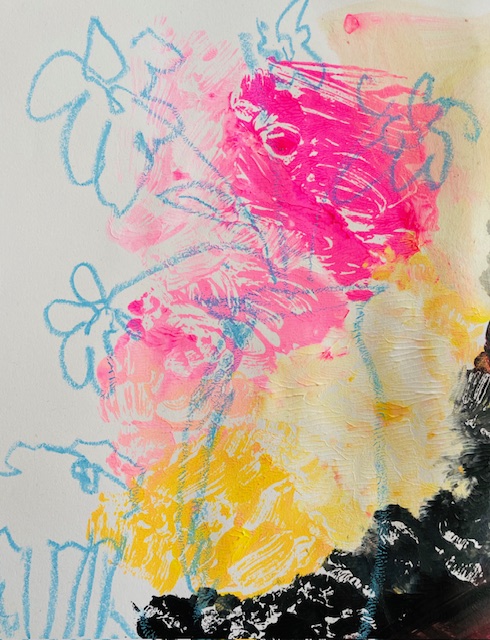
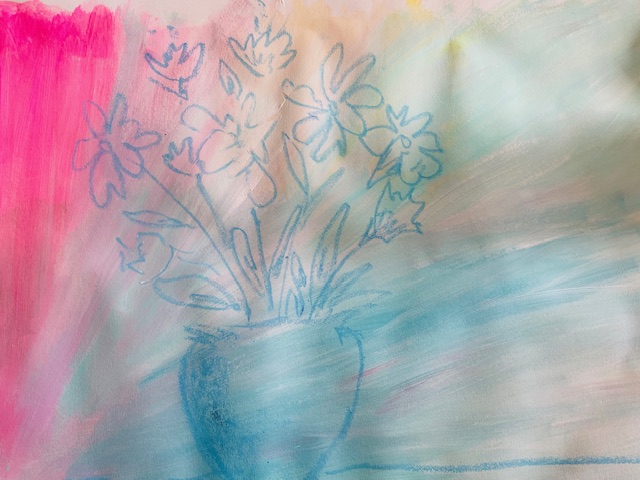
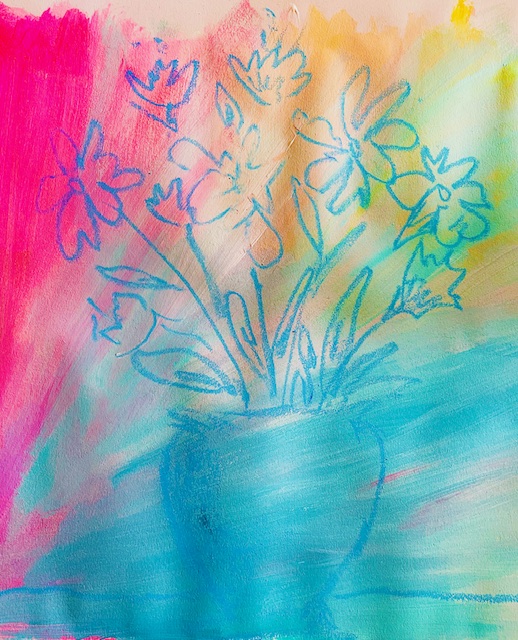
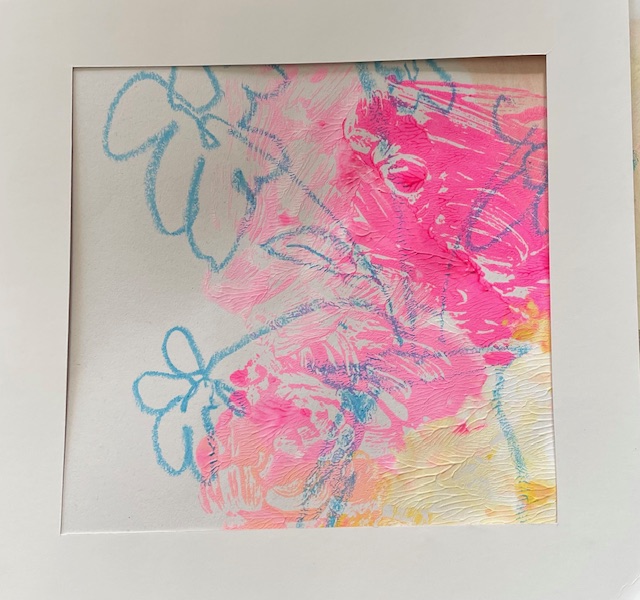
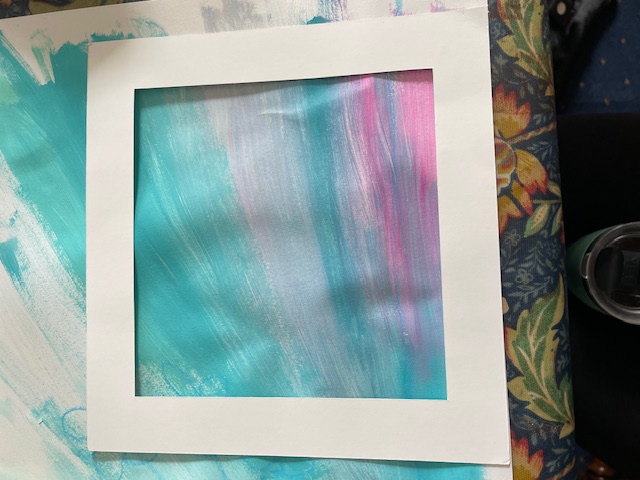
For our final session, we experimented with acrylics in a wonderfully free and playful way. The brief was simple yet open-ended: choose two colours, plus black and white, and explore how many shades you could create by mixing light and dark tones.
At first, I felt uncomfortable with the mess I was making. But then, I noticed another group member using circular swatches to display colour variations. This inspired me to let go of control, and I began making broad, sweeping strokes with my brush. The result? Beautiful, fluid colour transitions that I found unexpectedly satisfying.
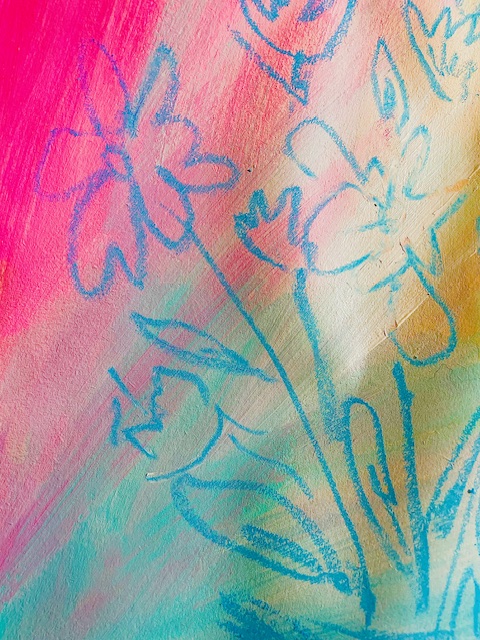
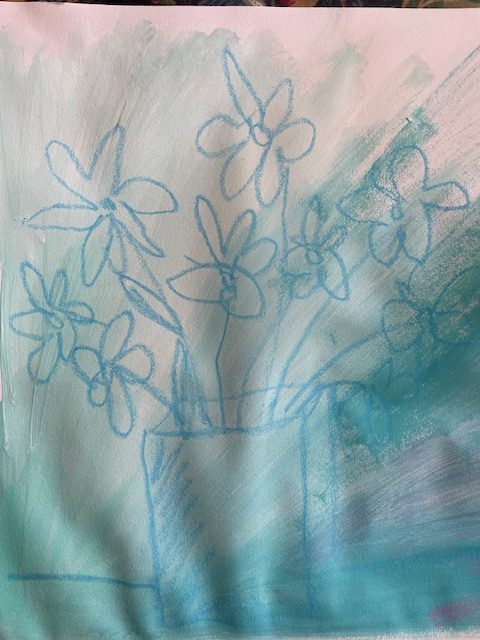
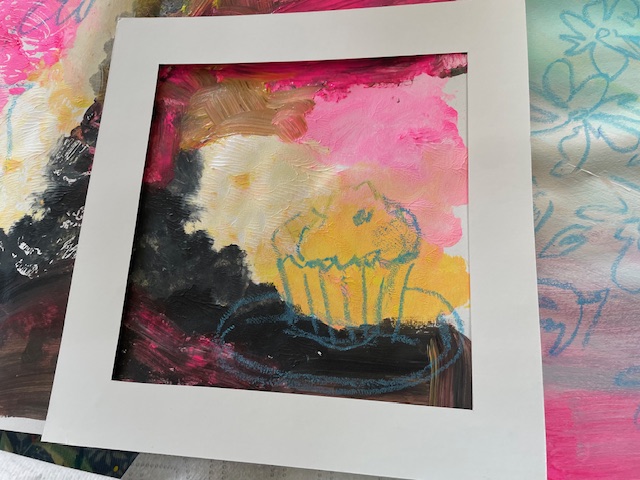
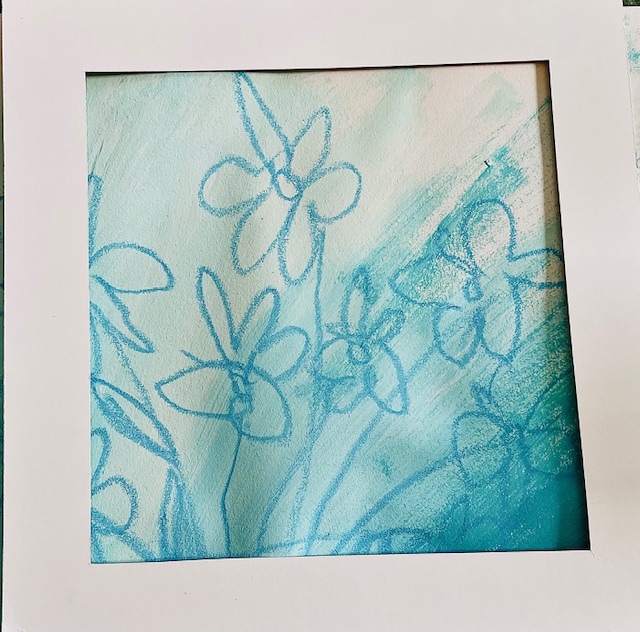
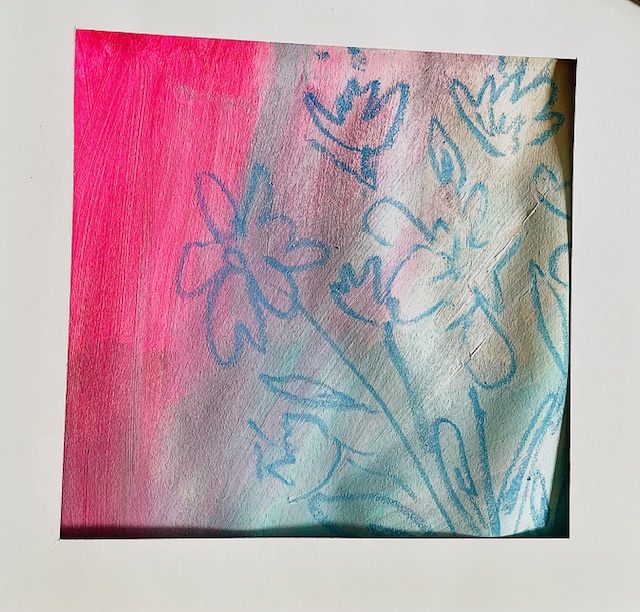
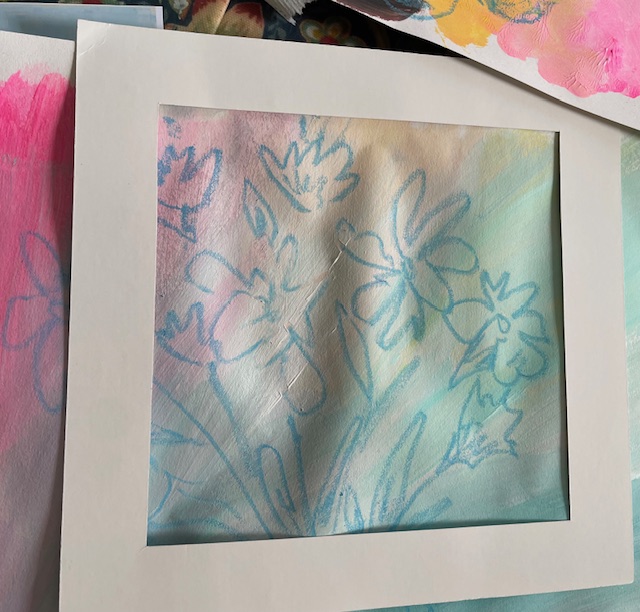
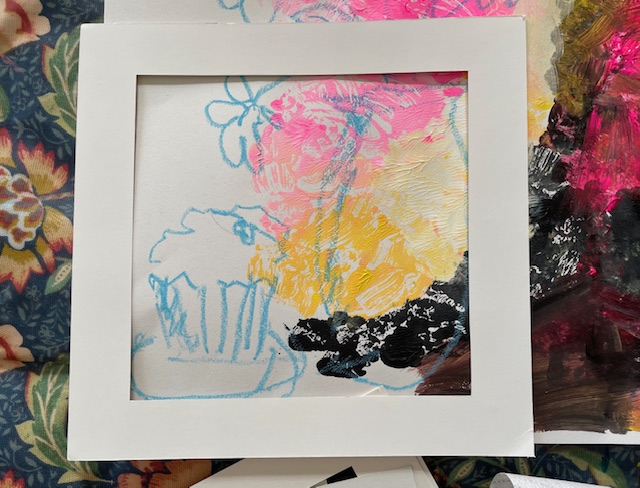
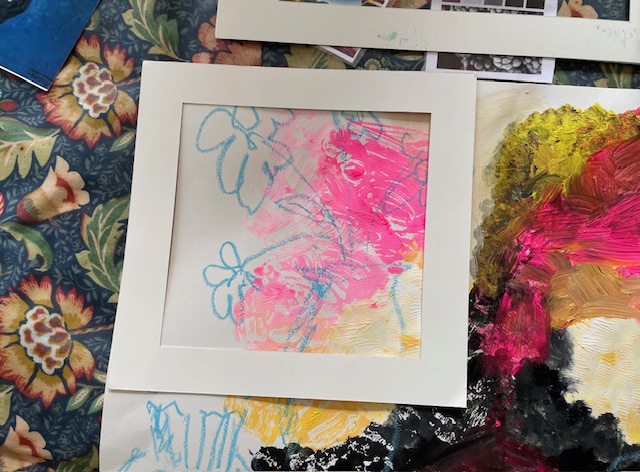
Next, we drew over our painted surfaces with crayons or pencils. I wasn’t sure if I had understood the brief, but that was the beauty of this course. Eve Bourrat led the sessions with warmth and openness, creating a space to experiment without fear.
The Power of Play in Creativity
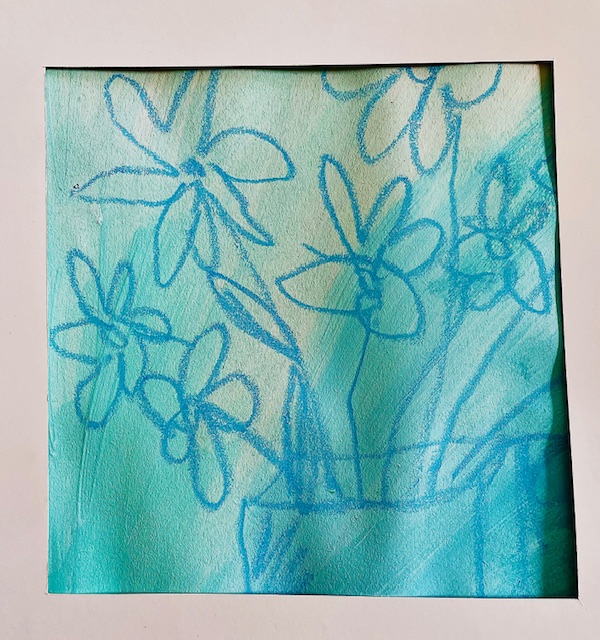
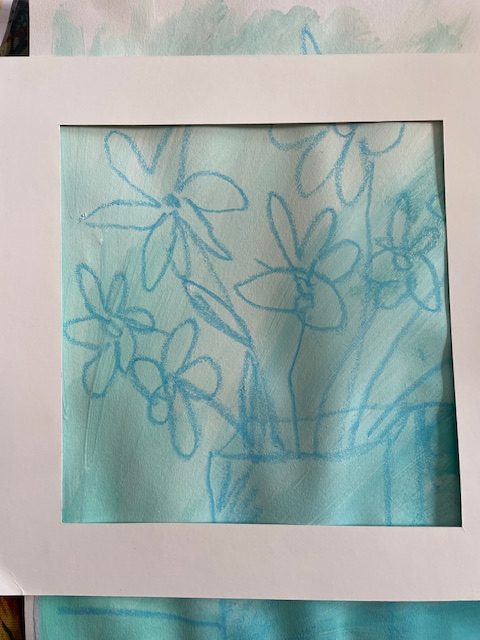
At the end of this session, Eve brought out white frames for us to place over sections of our work. This allowed us to see “pictures within pictures,” transforming our creations into mini-artworks. It was incredible to witness how small details could become meaningful, boosting our confidence in our artistic abilities.
Play is often seen as a guilty pleasure, but in reality, it is essential—not just for creativity but also for mental well-being and productivity. Scientific research supports this, yet we rarely make time for it. These workshops reminded me that play is not indulgence—it’s nourishment.
More Than Just an Art Class
What stands out most about the Creative Practice for Wellbeing course is its focus on the journey, not the destination. Living with a chronic health condition often means dealing with uncertainty and lack of control. But through art, I found a space where I could let go of expectations and simply be in the moment. For me, this practice has been a form of meditation, a way to clear my mind and focus on the act of creating rather than worrying about the end result.
Final Thoughts: A Course Worth Taking
The joy I found in these workshops exceeded my expectations. Art is not just about making something visually pleasing—it’s about self-connection, emotional expression, and healing. This course has shown me that creativity is a powerful tool for well-being, and I am deeply grateful for the experience.
If you’re looking for a creative outlet or a supportive space to explore art, I highly recommend this course. The experience has been fantastic, and I hope Falmouth Art Gallery continues to offer more workshops like this in the future.
Art can heal, and I am excited to see where this creative journey takes me next.
📍 For more information on the course:
🔗 Falmouth Art Gallery – Creative Practice for Wellbeing
For more information on the course –